


what you need to know before buying a custom knife
This post is made to guide you in the right direction when choosing materials and styles for your next purchase.
We Believe in Quality
Take care of your knife, and it will take care of you.
Choosing your next blade
Blade Steel
Our knives are meticulously crafted using premium blade steels, each with its unique properties. Whether you prefer the exceptional edge retention of high-carbon steel, the corrosion resistance of stainless steel, or the best of both worlds with Damascus steel, our selection ensures the perfect balance of durability and sharpness.
Blade Finish
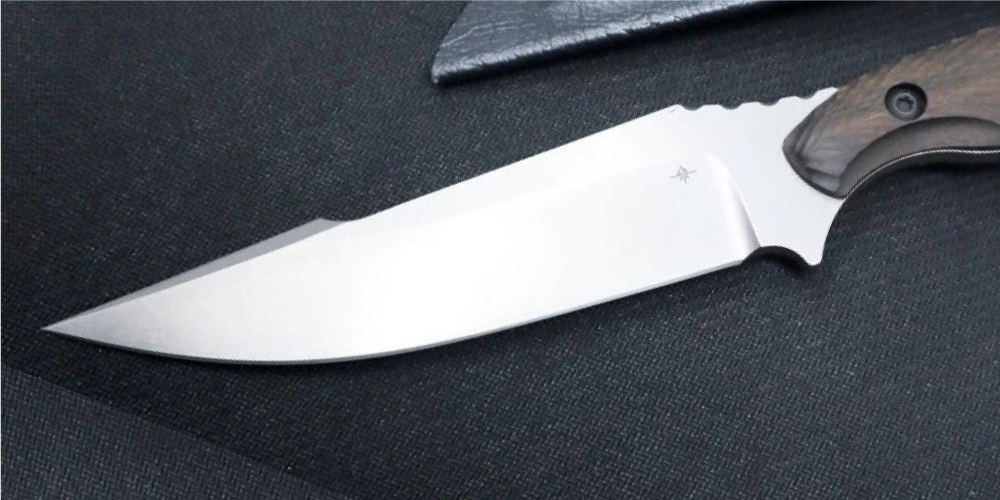
Polished Finish
A polished finish provides a smooth and reflective surface, enhancing the knife’s aesthetic appeal. This finish is not only visually pleasing but also minimizes friction during cutting, allowing for smoother and more precise slicing.
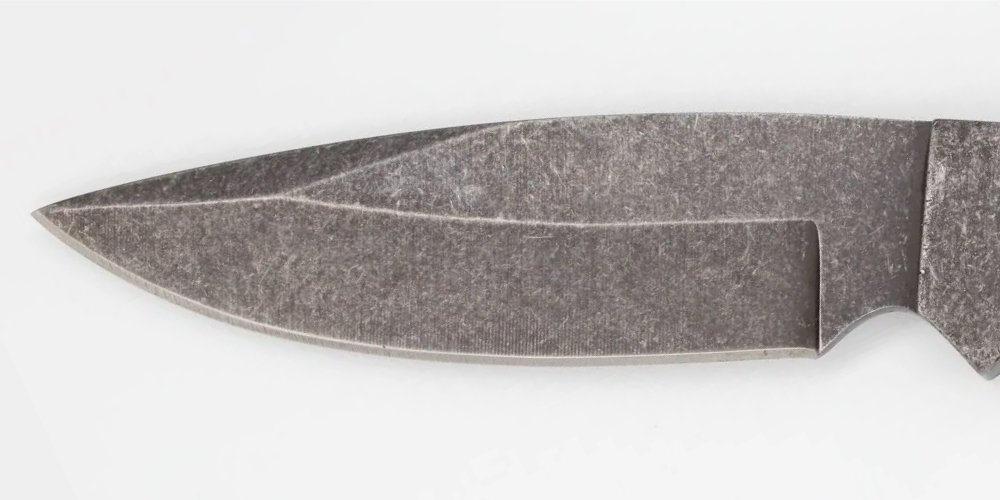
Stonewash Finish
The stonewash finish involves tumbling the blade with abrasive materials to achieve a weathered and textured appearance. This not only adds character to the knife but also helps conceal scratches, maintaining a rugged yet stylish look.
Satin Finish
The satin finish strikes a balance between a polished and matte surface. It offers a refined look while providing some resistance to scratches and maintaining a low-glare appearance. This finish is both practical and visually appealing.

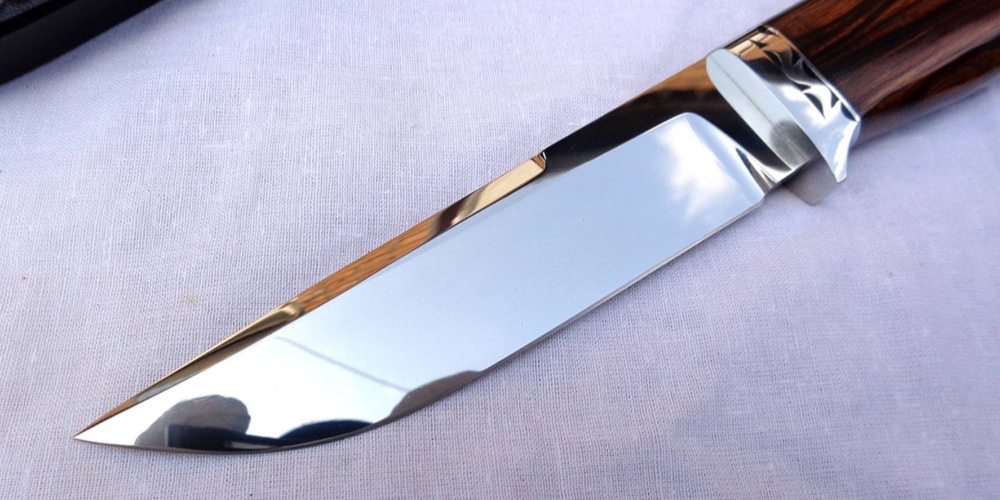
Mirror Finish
A mirror finish on a custom knife blade exemplifies unparalleled craftsmanship, boasting a flawless, reflective surface. Achieving this perfection requires meticulous polishing, eliminating imperfections for enhanced aesthetics and reduced cutting friction. The labor-intensive process contributes to the higher cost of knives with this exquisite feature.
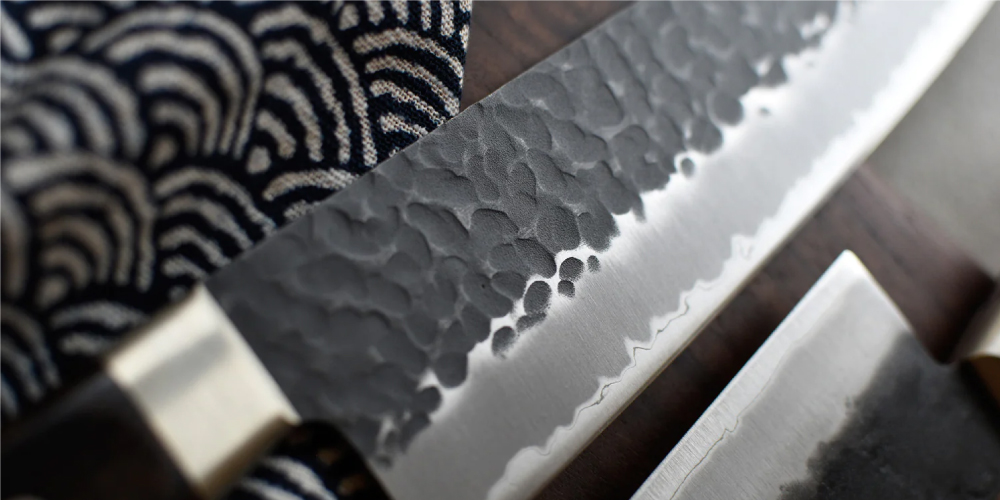
Hammered Finish
A hammered finish, also known as tsuchime, creates small dents on the blade’s surface. Besides its decorative appeal, this finish reduces friction and helps prevent food from sticking to the blade, making it an excellent choice for food release and an enhanced cutting experience.
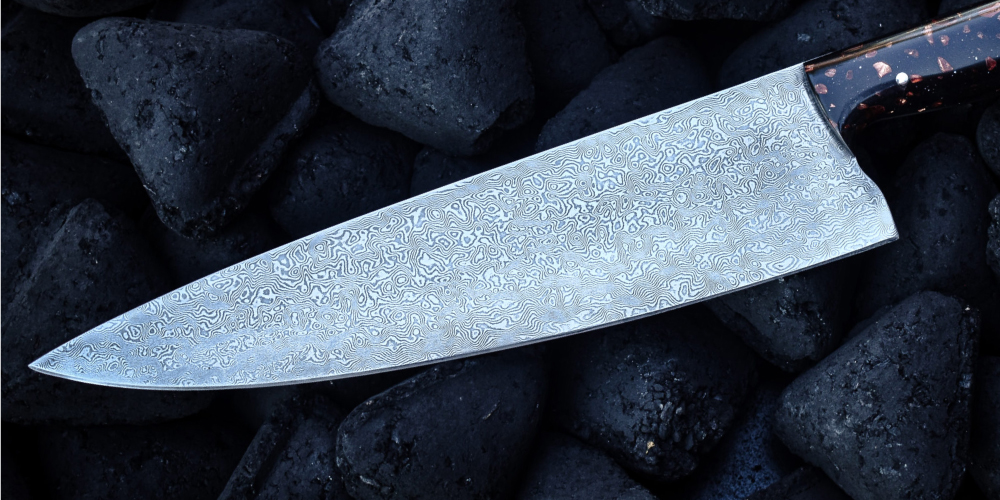
Damascus Finish
Damascus finishes showcase the mesmerizing patterns created by folding and layering different metals. Beyond its visual allure, this finish enhances the blade’s strength and corrosion resistance. Each Damascus finish is a unique work of art, making your custom knife truly one-of-a-kind.
Fixed Blades
Full Tang vs. Hidden Tang
Full Tang – The full tang design involves a blade that extends through the entire length of the handle, providing maximum strength and stability. This construction enhances the knife’s durability and balance, making it a preferred choice for those who seek robust performance in their culinary endeavors.
Hidden Tang – In contrast, a hidden tang design features a blade that extends only partially into the handle. This design allows for a sleeker profile and often showcases unique handle materials. While it may not offer the same level of strength as a full tang, hidden tang knives are prized for their aesthetic appeal and are well-suited for lighter tasks.
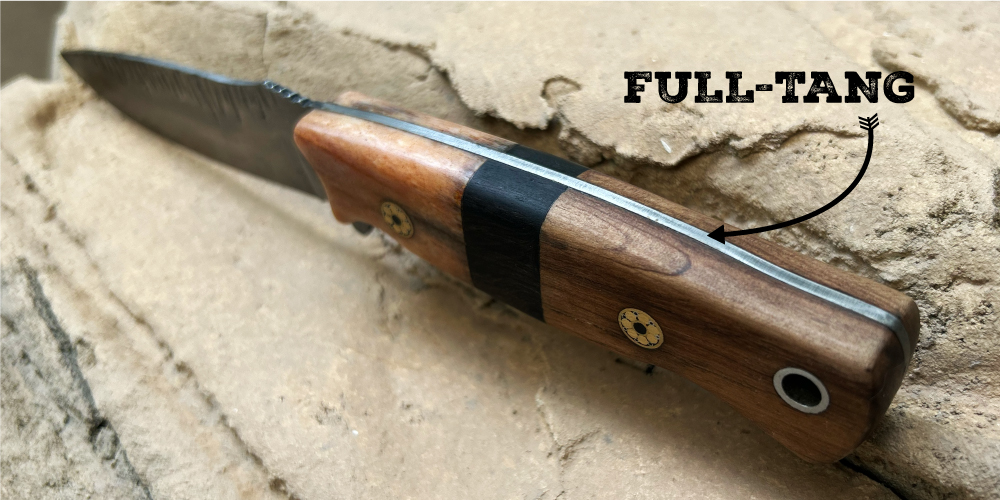
Full Tang
Pro’s:
-
Maximum Strength: Full tang knives offer superior strength and durability, as the blade extends through the entire handle.
-
Enhanced Balance: The full tang construction contributes to better balance and stability, providing a comfortable and controlled cutting experience.
Con’s:
-
Heavier Design: The added material for the full tang can result in a heavier knife, which may not be ideal for those who prefer a lighter feel.
-
Limited Aesthetic Variation: The construction may limit the variety of handle materials and designs that can be incorporated.
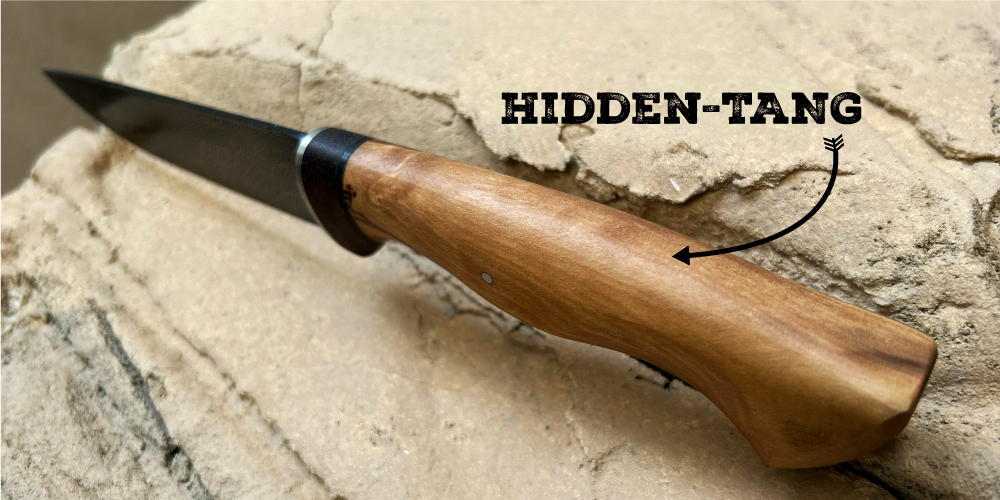
Hidden Tang:
Pro’s:
-
Sleek Aesthetics: Hidden tang knives often feature a sleeker profile, allowing for more creativity in handle design and material choices.
-
Lighter Weight: The partial tang design contributes to a lighter overall weight, making hidden tang knives suitable for precision tasks.
Con’s:
-
Reduced Strength: Hidden tang knives may not offer the same level of strength as full tang counterparts, making them more suitable for lighter cutting tasks.
-
Limited Durability: The construction may be less resilient to heavy use, impacting the overall durability of the knife.
Handle Material
Selecting the right handle material for a custom handmade knife is a crucial decision, as it not only contributes to the knife’s aesthetics but also significantly impacts the overall feel and performance. We take pride in offering a diverse array of premium handle materials, each chosen for its unique characteristics.
Exotic Hardwoods & Bone
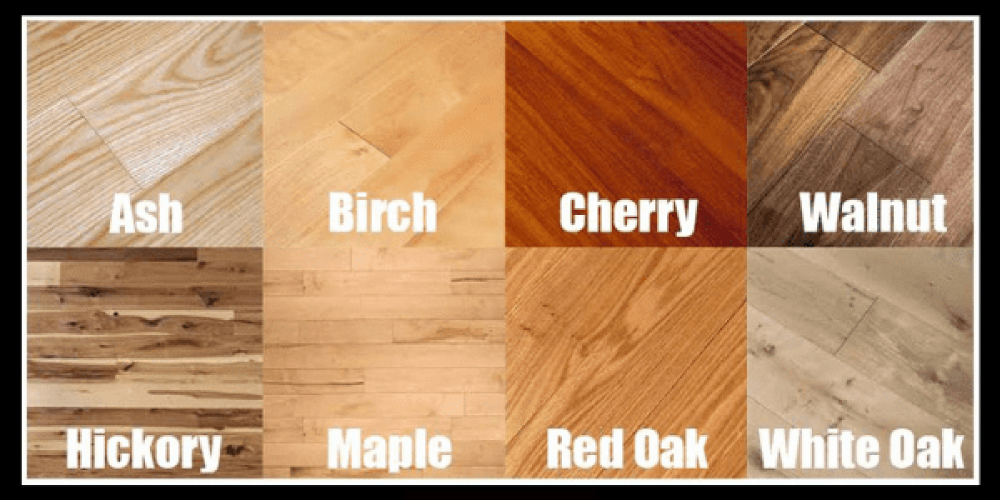
Renowned for their natural beauty and durability, animal bone such as Giraffe bone or mammoth tusks and exotic hardwoods such as cocobolo, burl wood, and ebony are popular choices. These materials not only provide a comfortable grip but also age gracefully, developing a rich patina over time.
G10
A high-pressure fiberglass laminate, G10 is celebrated for its exceptional durability and resistance to moisture and chemicals. It offers a robust, non-slip grip, making it a preferred choice for those seeking a reliable and low-maintenance handle material.
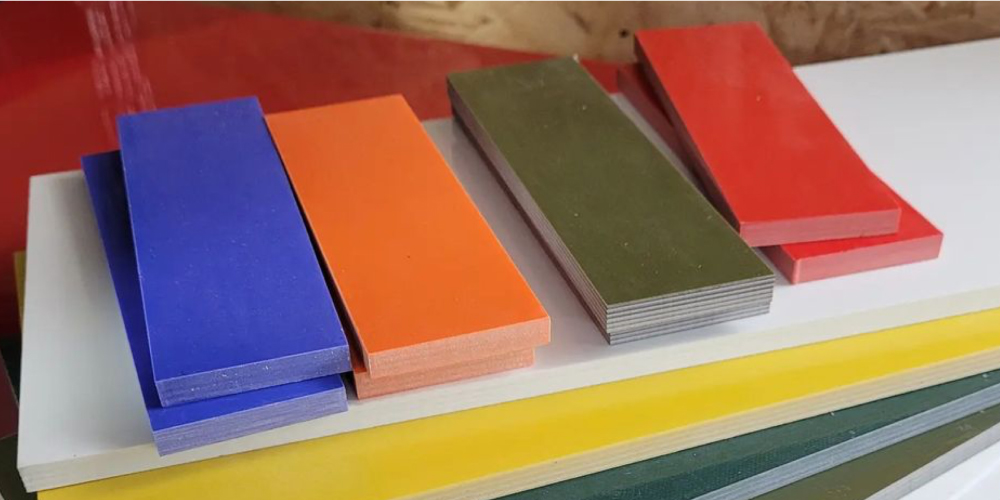
Stabilized Wood
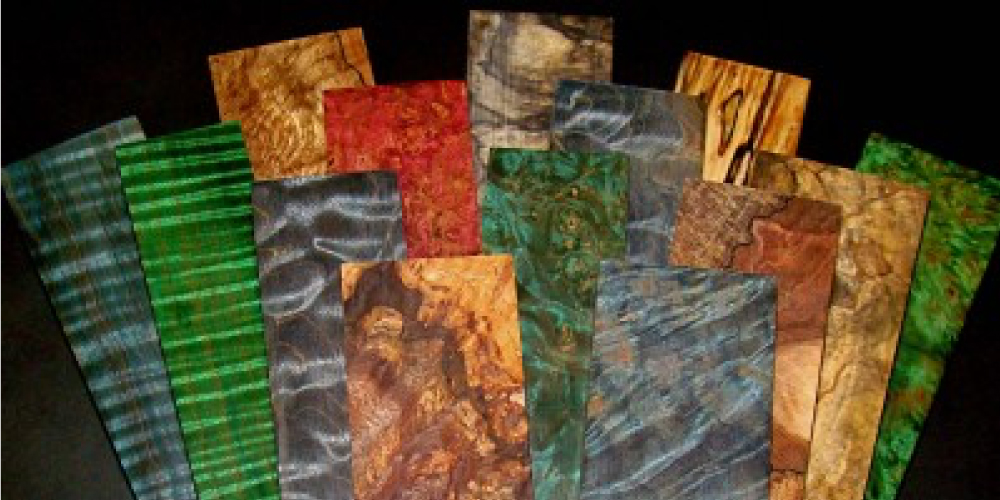
Wood stabilization involves impregnating natural wood with resin to enhance its durability and resistance to environmental factors. Stabilized wood handles combine the warmth of natural wood with enhanced strength, making them an excellent choice for those who appreciate the aesthetics of wood but desire added resilience.
Micarta
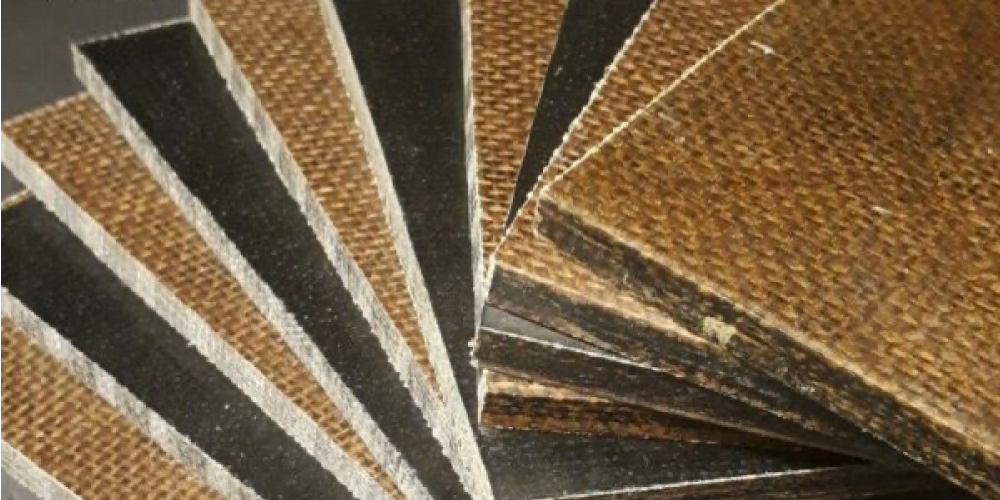
Constructed from layers of linen, canvas, or paper infused with resin, Micarta is a versatile handle material that provides a comfortable and secure grip. It is valued for its durability, stability, and the ability to develop a unique character with use.
Carbon Fiber
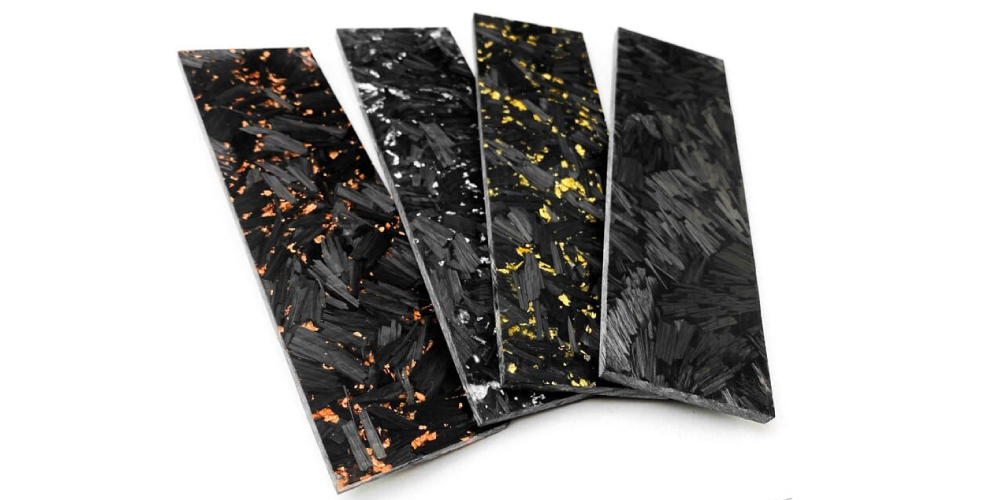
Known for its lightweight yet sturdy composition, carbon fiber adds a modern touch to custom knife handles. Beyond its sleek appearance, it offers excellent strength and resistance to corrosion, making it an ideal choice for those who prioritize both aesthetics and performance.
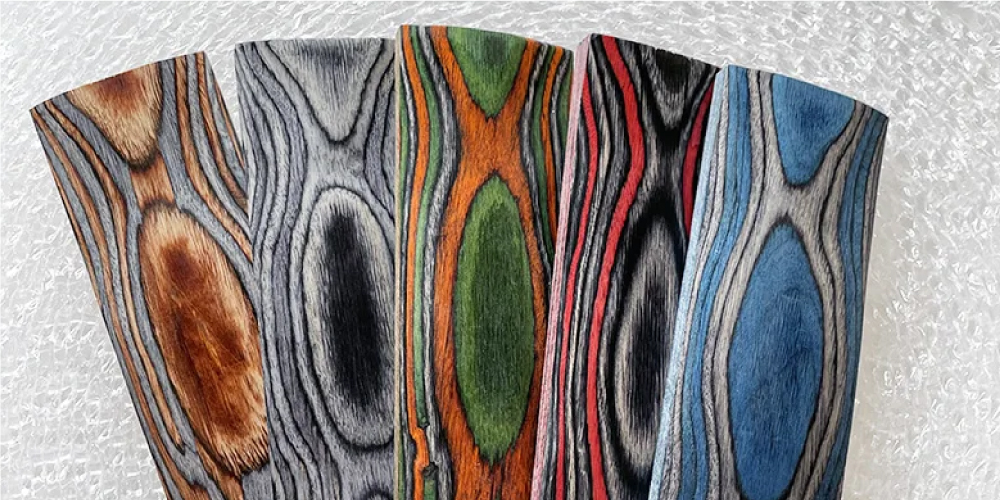
Layered dyed wood
Layered wood, a captivating choice for knife handles at [Your Business Name], unveils a symphony of aesthetics with its vibrant and varied hues. Crafted through meticulous layering and bonding, each handle becomes a unique work of art, combining eye-catching colors for a visually stunning and personalized touch to your custom knife.
Fixed Blades
Blade Thickness & Profile
The difference in blade thickness and profile is a crucial consideration in tailoring a knife to specific cutting needs. A thicker blade, such as those found in cleavers, provides robustness for heavy-duty tasks like chopping through bones. In contrast, thinner blades, common in chef’s knives, offer precision and agility for slicing and intricate cuts. The blade profile, whether it’s a broader design for efficient chopping or a more tapered shape for delicate slicing, further influences the knife’s performance. Balancing thickness and profile is an art, ensuring that each knife excels in its intended culinary application, providing users with a versatile and efficient tool in the kitchen.
Knife enthusiasts know that the ideal blade thickness varies based on the intended use. Hunters often favor a thicker blade, around 3 to 5mm, for durability and versatility in field tasks. Chef’s knives typically range from 1.5 to 2.5mm, striking a balance between precision and durability. Cleavers, designed for robust chopping, boast a thickness of 3mm or more. Daggers prioritize piercing, requiring a slender profile with a thickness around 2mm. Biltong knives, tailored for slicing cured meats, feature a thinner blade, around 1.5mm. Steak knives, optimized for slicing cooked meats, often have a thickness of 1.5 to 2mm, ensuring a perfect balance between precision and ease of use at the dining table. Each thickness is carefully calibrated to optimize performance for its designated culinary task. In the realm of Japanese-style kitchen knives, precision is paramount. These knives, whether Santoku or Gyuto, often feature thinner blades, ranging from 1.5 to 3mm, emphasizing meticulous craftsmanship to achieve unparalleled sharpness and agility for intricate tasks.